Productivity Is a Responsibility. But It's Not an Identity.

Productivity is a real responsibility — to your family, your team, the people who depend on you, and the calling to be a contributor rather than a consumer in the world. But it's not an identity. When productivity becomes the answer to "who am I," the leader is one bad quarter or one health scare away from an identity crisis. The distinction is structural and worth holding before the wall arrives.
Where the Conflation Happens
Most high-achieving leaders absorb the conflation gradually. The work is meaningful. The work is hard. The work produces results that other people respect. The work becomes who you are because the work is what you spend your time doing and what you get acknowledged for.
Nobody sits down and decides "my productivity is my identity." It happens by accumulation. Twenty years of being the person who delivers. Twenty years of "how's the business going?" being the first question at every dinner. Twenty years of internal narrative organized around output. The identity calcifies around the productivity without anyone noticing.
Why the Conflation Costs You
Three predictable costs when productivity becomes identity:
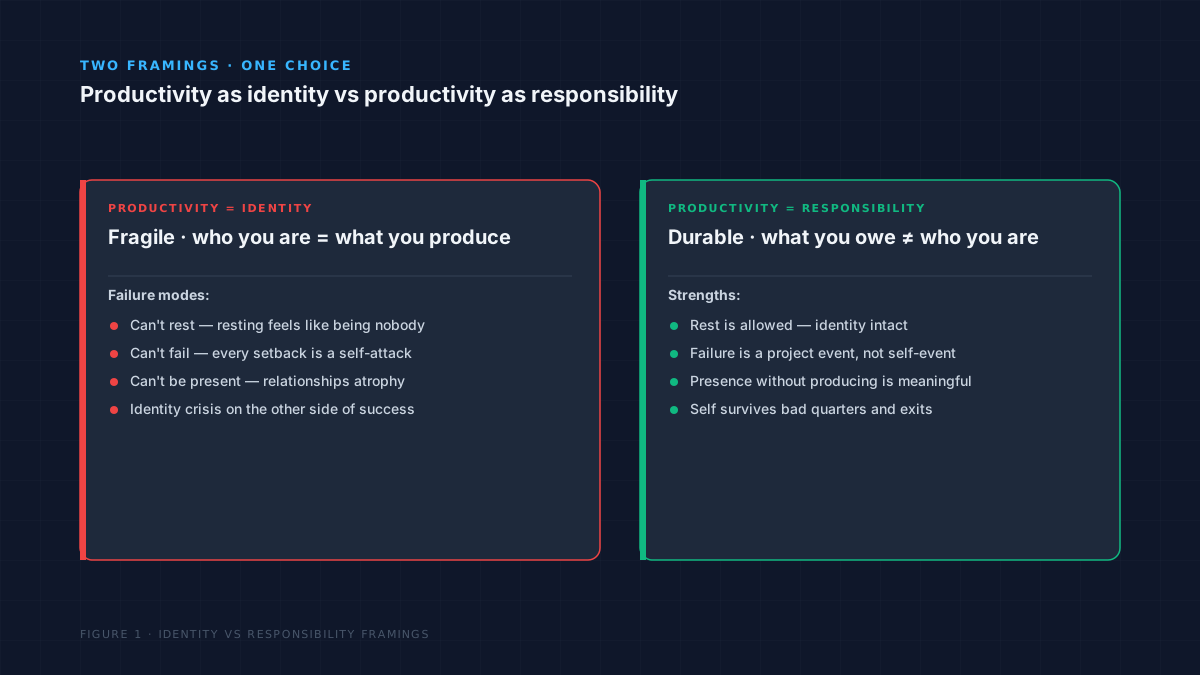
1. You can't rest
If productivity is who you are, then resting is being nobody. Vacations become uncomfortable. Weekends create anxiety. The body wants stillness; the identity refuses it. Burnout is the inevitable terminus.
2. You can't fail well
If productivity is who you are, then a bad quarter is an existential threat — not a business event. A failed launch, a lost client, an exit that doesn't happen — each one feels like a referendum on you rather than on a project. The stakes become impossible to manage emotionally because every business setback is a self-attack.
3. You can't be present without being productive
If productivity is who you are, then time with people who aren't part of your output feels uncomfortable. Family dinners become things to get through. Friendships feel inefficient. The relationships that anchor a real life atrophy because they don't fit the identity structure.
The Right Frame: Responsibility Without Identity
Productivity matters. It's a real responsibility — to provide for your family, to be a contributor rather than a consumer, to use your capacity to serve. We have an obligation to be useful in the world. That obligation is honored by being productive.
But the obligation lives outside the identity. The identity is something else — what you believe about who you are at the deepest level. For most people that includes their relationships, their faith or worldview, their character, their love for specific people. Productivity supports the identity; it doesn't constitute it.
How to Hold the Distinction in Practice
- Notice the question that defines you. When someone asks "who are you?" what's the actual answer underneath the job title? If the only answer is the job, the identity has collapsed into the productivity.
- Build a life with weight outside the output. Real relationships. Spiritual or contemplative practice. Hobbies that don't produce. Time with people who don't care what you did this quarter. These give the identity scaffolding the productivity isn't providing.
- Test the architecture. Take a week genuinely off. If the rest of the year doesn't function during that week, the business architecture has the same problem as the identity — too much depending on you. The fix is structural: intelligence layer, signal engine, codified standards. (See: the catalyst-not-cage frame.)
- Reframe failure when it comes. When something doesn't work, separate the business event from the self-event. The business event needs a response. The self-event isn't real; it's the identity confusion talking.
If your business collapsed tomorrow, would you still know who you are? If the answer takes more than three seconds, the productivity has been doing double duty as identity. Time to give it back its proper job.
Why This Matters for What XeedlyAI Builds
Xeedly's conviction is that productivity is a responsibility we take seriously — and it's not the leader's identity. Every product we build (intelligence platforms, growth systems, operational systems) exists to make the business produce results without consuming the producer. Architecture that lets the productivity be a thing you do, not a thing you are. Five live deployments across multi-unit restaurants, HOA management, property management, real estate investing, and the Xeedly platform itself.
Questions, answered.
- What's the difference between productivity as identity and productivity as responsibility?
- Productivity as identity = who you are is what you produce. Productivity as responsibility = producing is something you owe to family, team, and calling, but it doesn't constitute your identity. The first framing collapses when the productivity hits a wall; the second one is durable through bad quarters, rest, and failure.
- Why is it bad to make productivity your identity?
- Three costs: you can't rest (resting feels like being nobody), you can't fail well (every business setback becomes a self-attack), and you can't be present without producing (relationships that don't generate output atrophy). The identity locks you into the productivity in a way that's structurally unsustainable.
- Is being highly productive bad?
- No. Productivity is a real responsibility — to provide for family, to be a contributor rather than a consumer, to use your capacity to serve. The conviction is that productivity matters AND it isn't your identity. Both things are true. Holding the distinction lets you produce well without paying the costs of conflating who you are with what you do.
- How do I tell if I've made productivity my identity?
- Three tests: (1) when someone asks who you are, is the answer essentially your job? (2) does a week off feel uncomfortable rather than restful? (3) if your business collapsed tomorrow, would you still know who you are within three seconds? If those answers point to over-conflation, the productivity has been doing double duty as identity.
- How does business architecture connect to this?
- Intelligence platforms, signal engines, and codified standards remove the leader from the middle of every action — which gives the productivity a chance to be a thing the leader does rather than a thing the leader IS. The architecture creates the structural conditions for the identity to live independently of the output. Without that architecture, the productivity tends to absorb the identity by accumulation.
Ask anything about this briefing.
I've read it. I can synthesize, expand on any section, or point you to related briefings.
Build the architecture that lets productivity be a thing you do
Not a thing you are. Tell us about your business and where the productivity is currently doing identity-double-duty. We'll show you what the structural fix looks like.
More from PRINCIPAL-LIFE
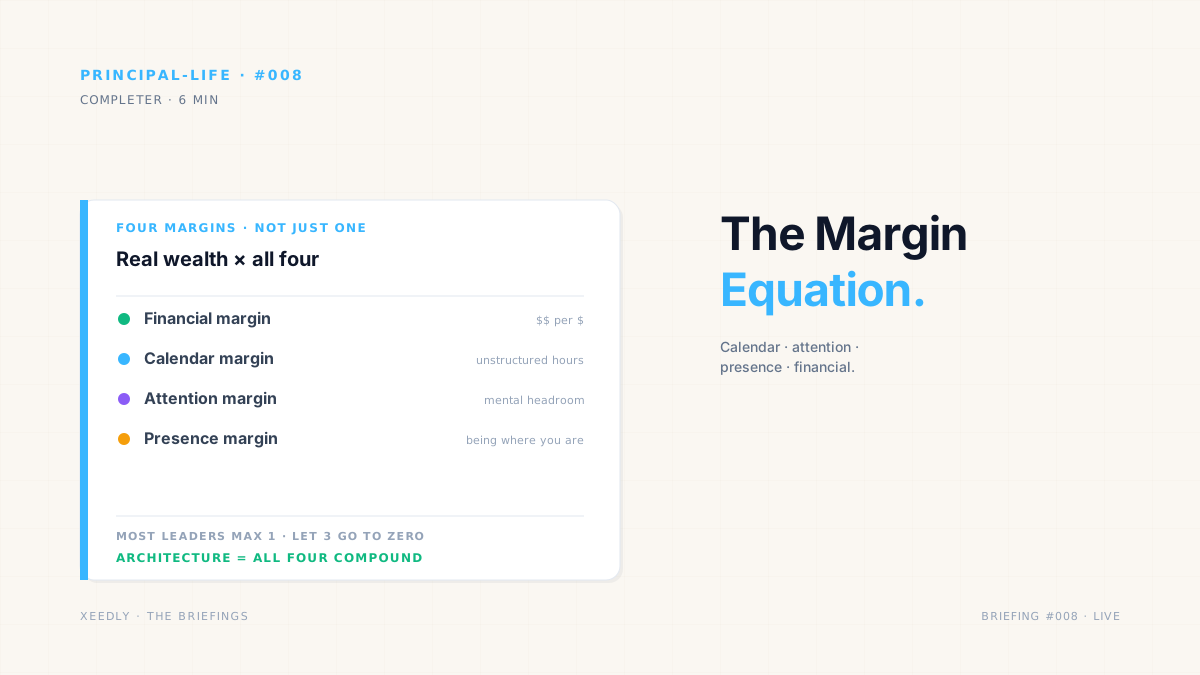
The Margin Equation: Calendar, Attention, Presence
Most leaders optimize for financial margin and ignore the three margins that actually determine quality of life.
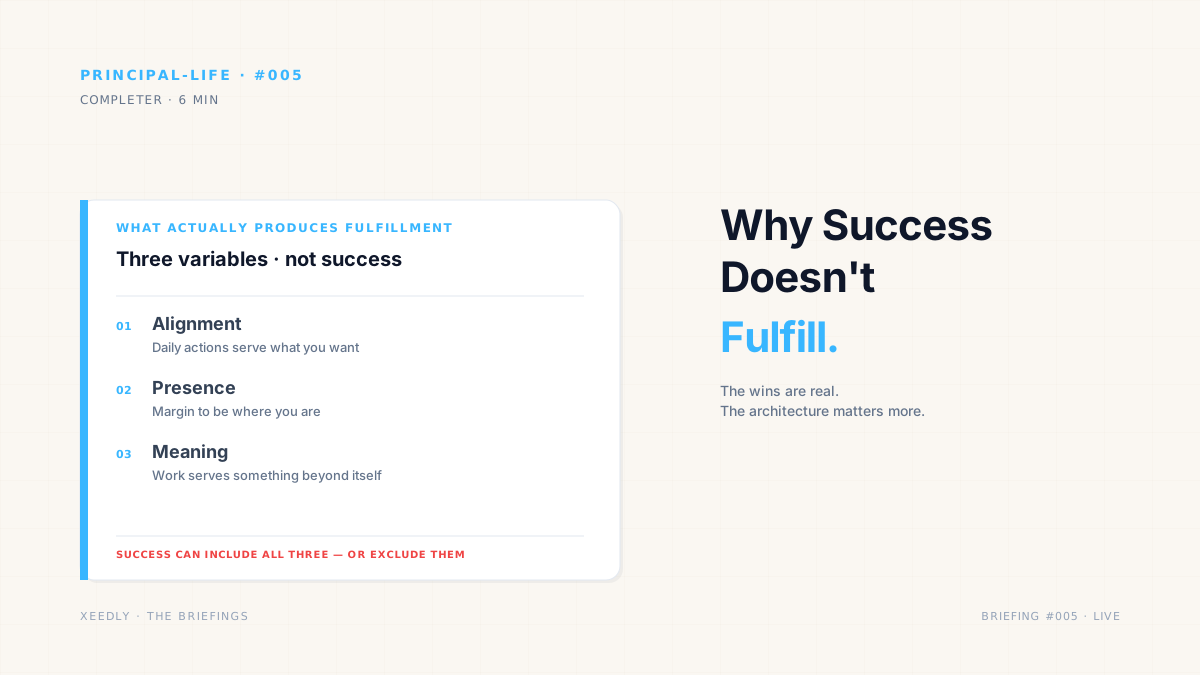
Why Success Doesn't Fix the Things You Hoped It Would
The wins are real. The trophies are deserved. And the fulfillment most leaders expected to find doesn't arrive. Here's why.
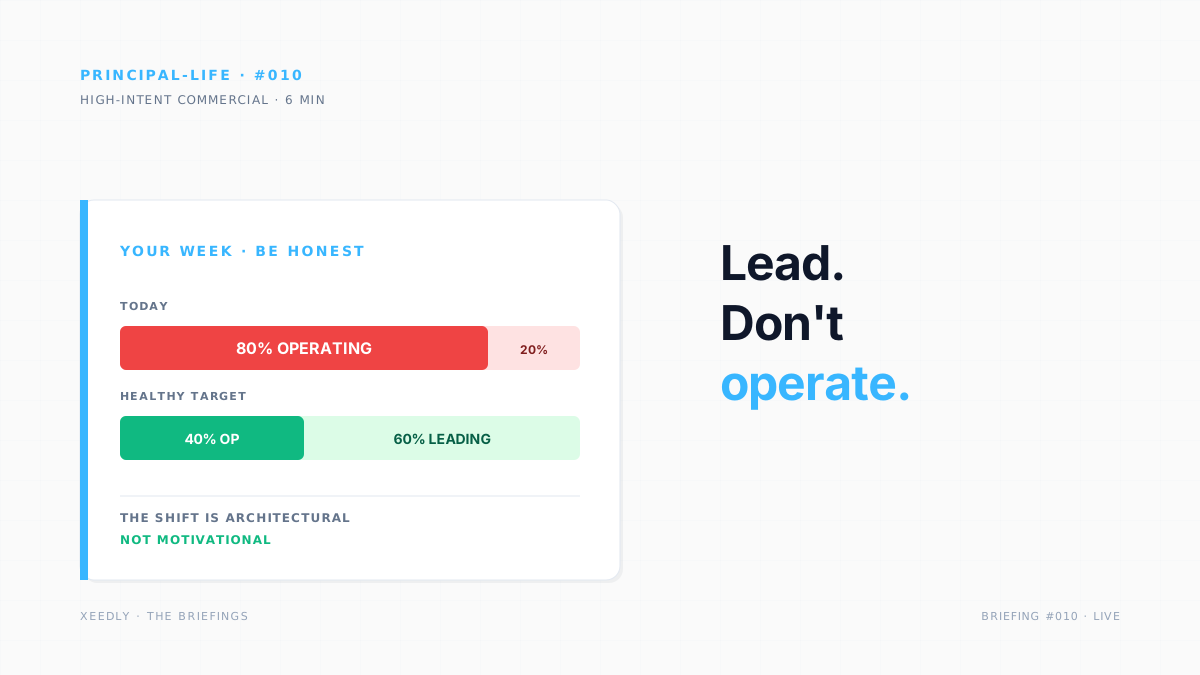
Leading vs. Operating: The Shift That Changes Everything
Most principals don't realize how much of their week is operating, not leading — and how that ratio predicts whether the business stays a cage or becomes a catalyst.